Project
3D Brand Assets
3D Brand Assets
Client
Steni
Steni
A flexible 3D library for a digital-first product catalogue
The brief
The brief
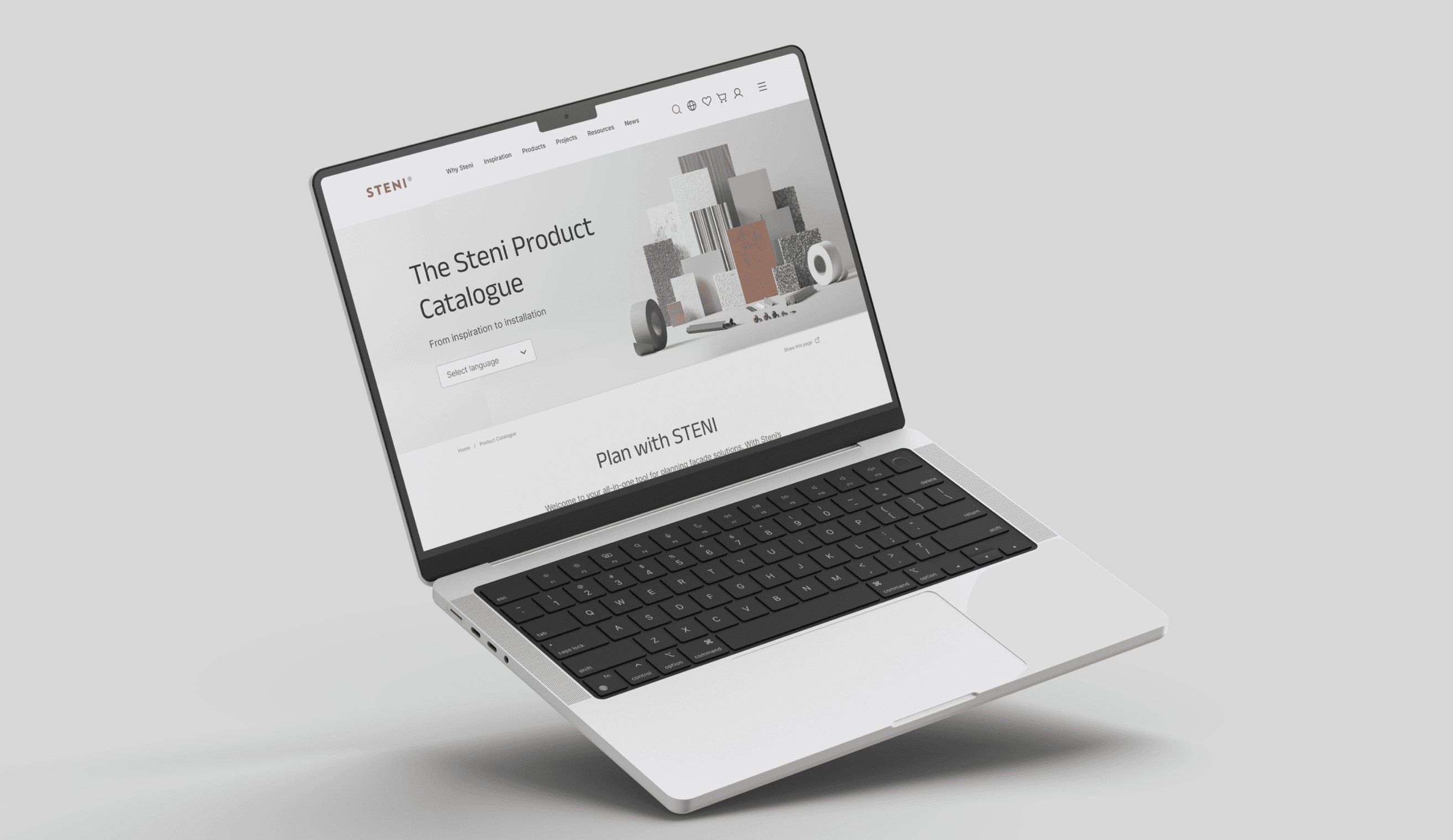
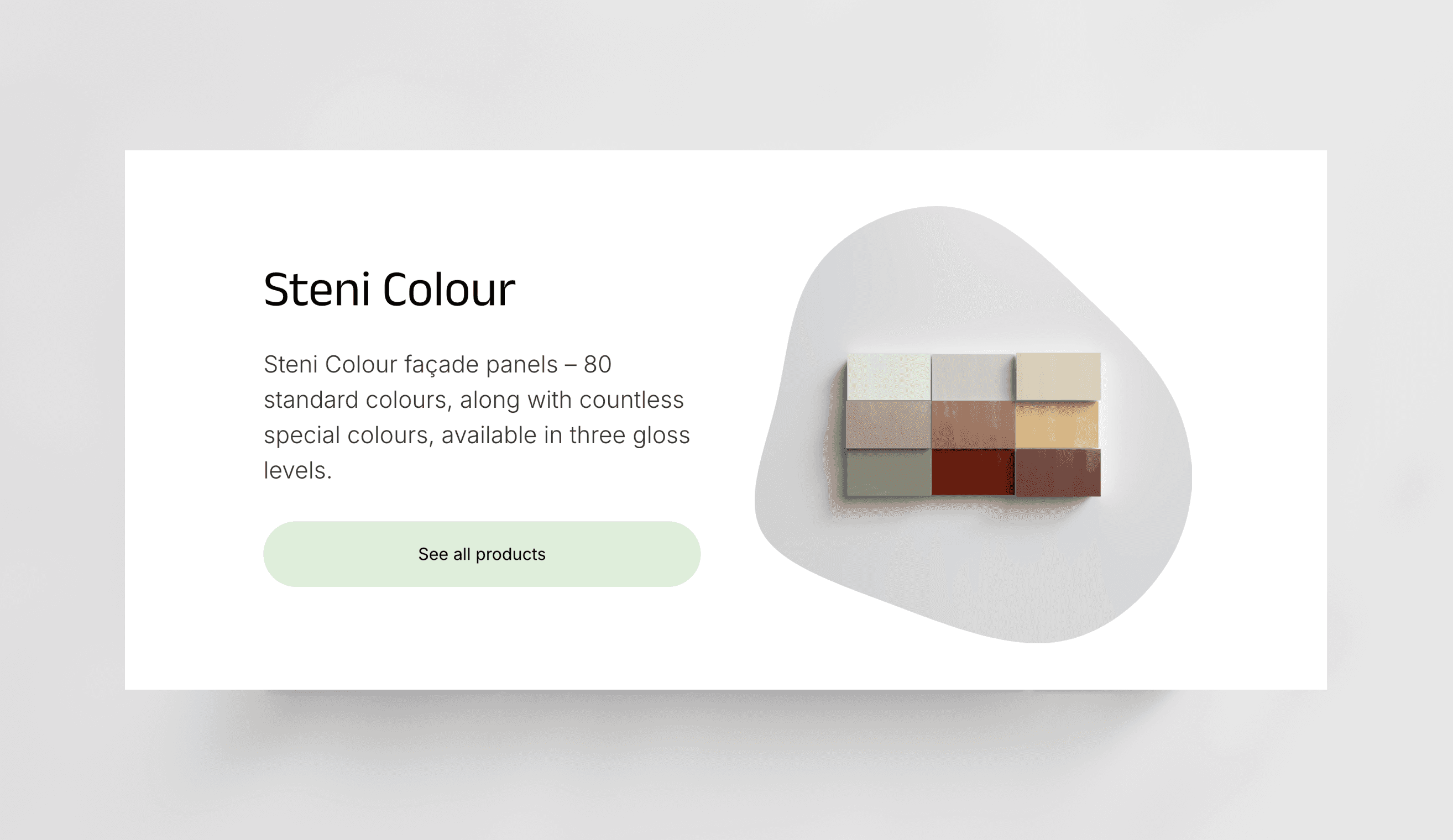
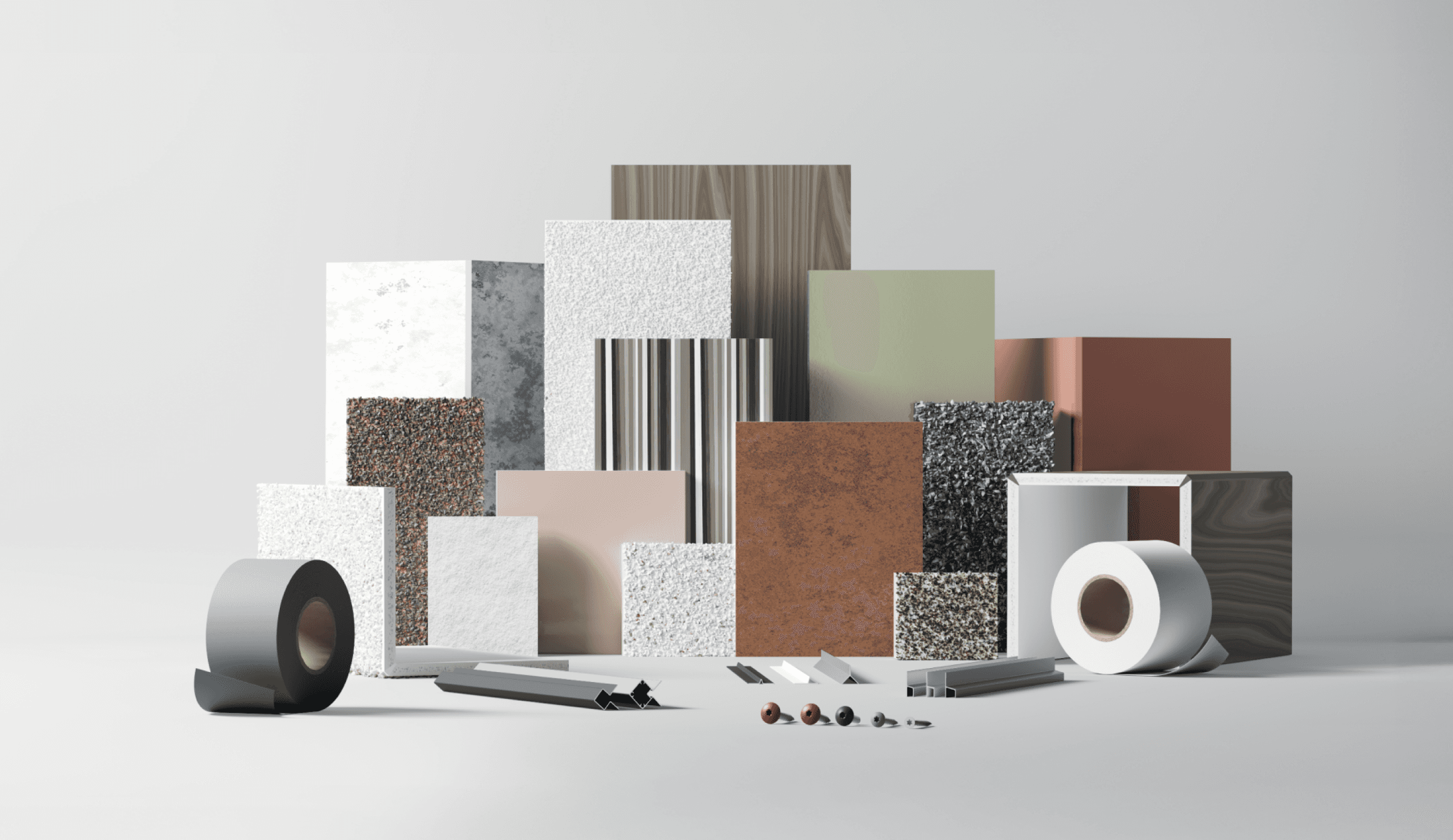
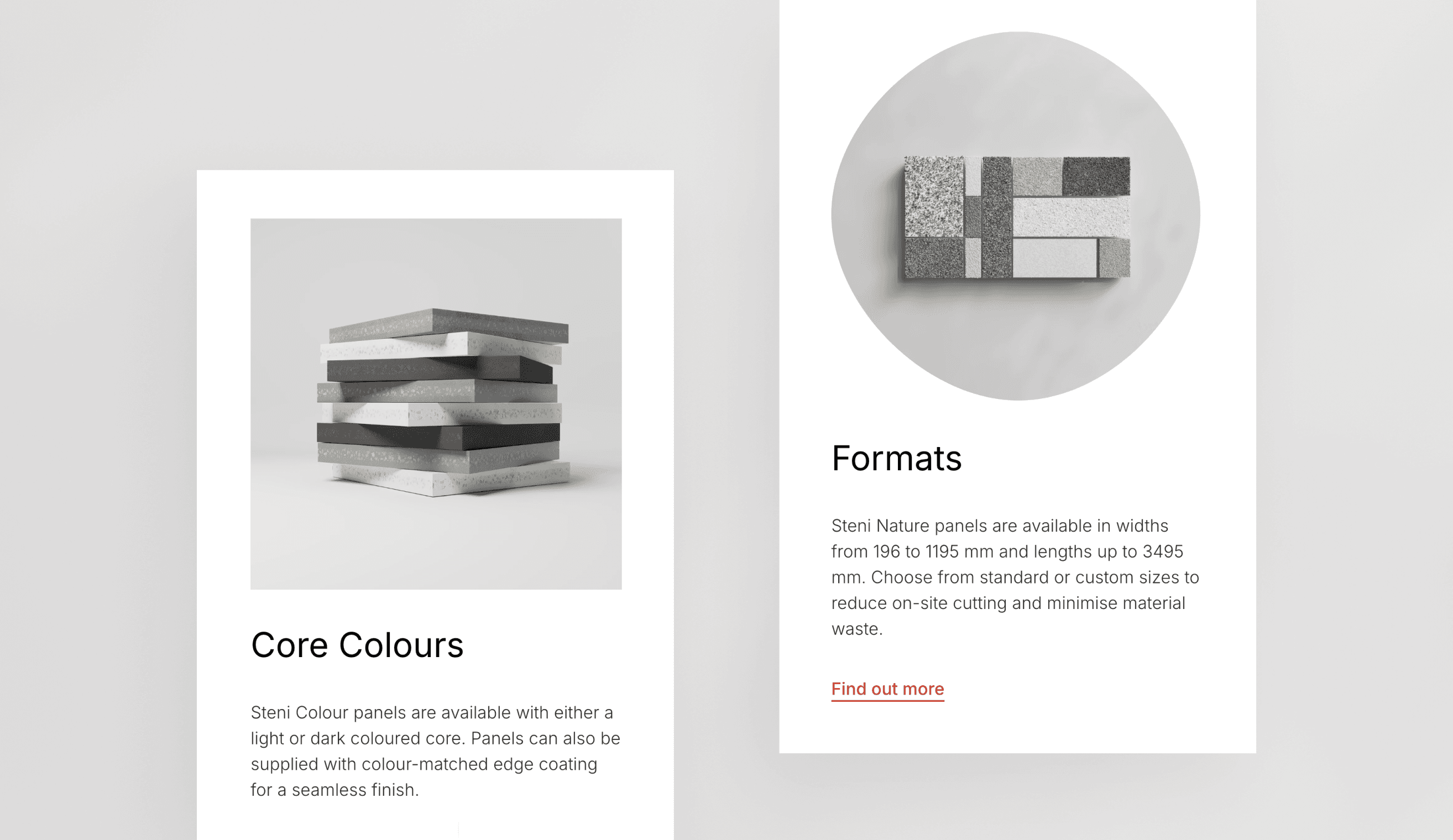
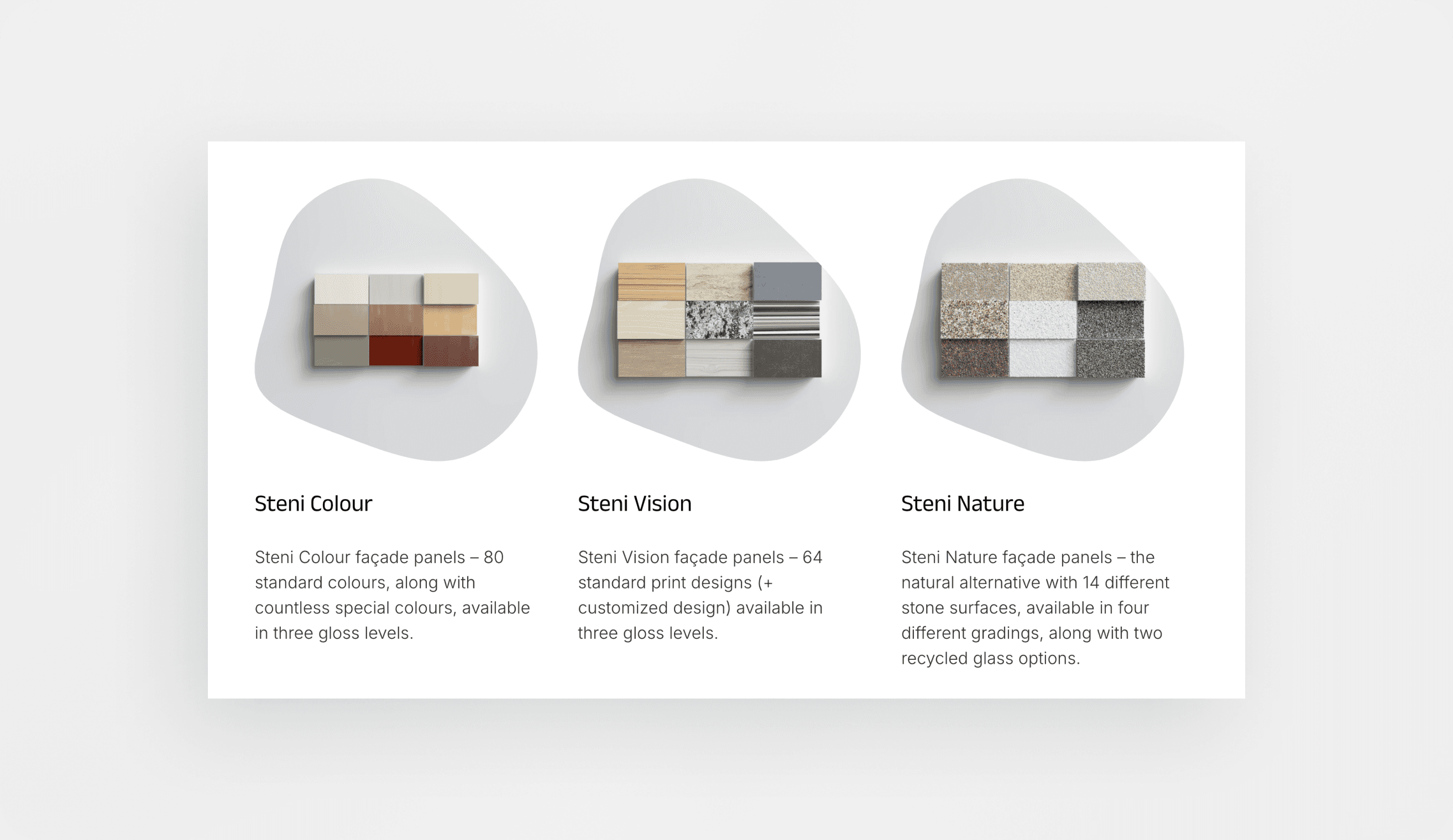
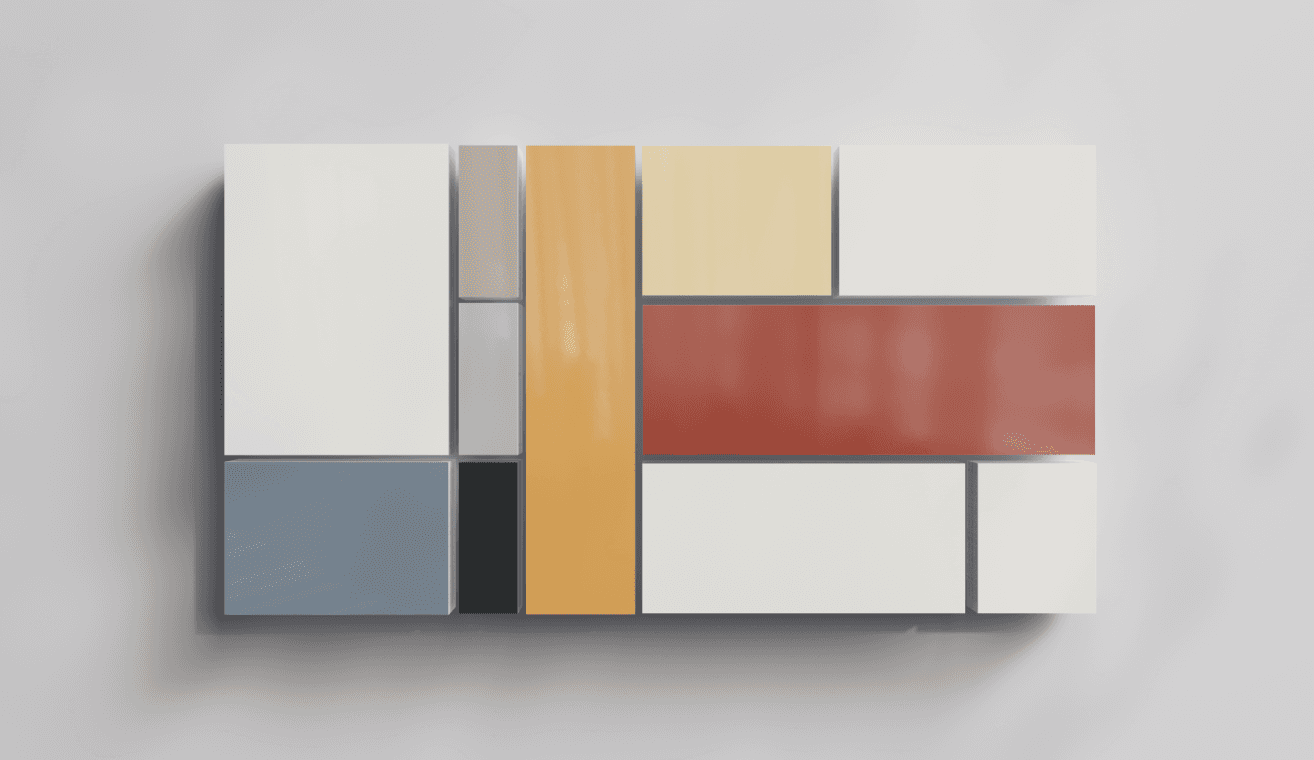
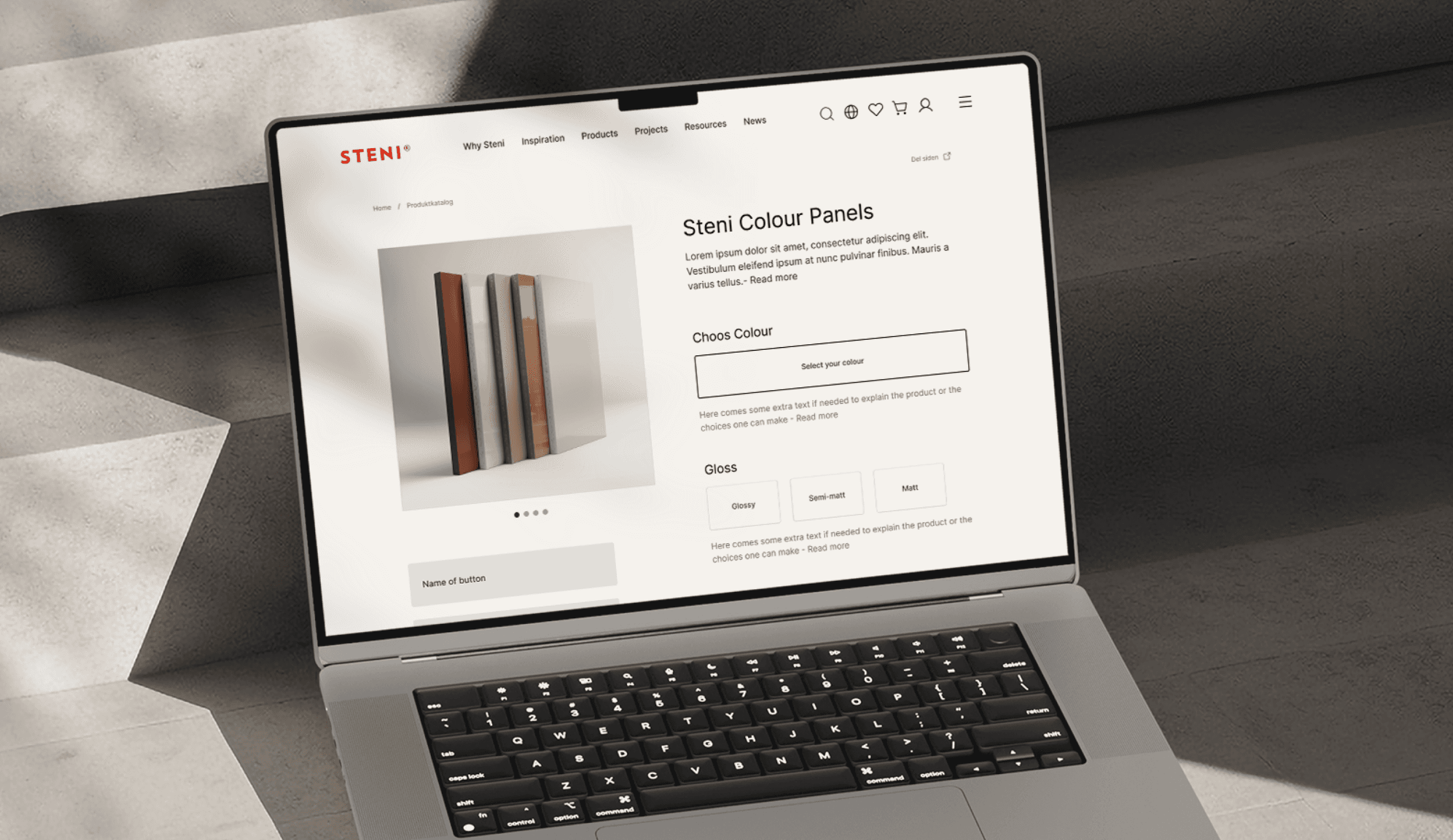
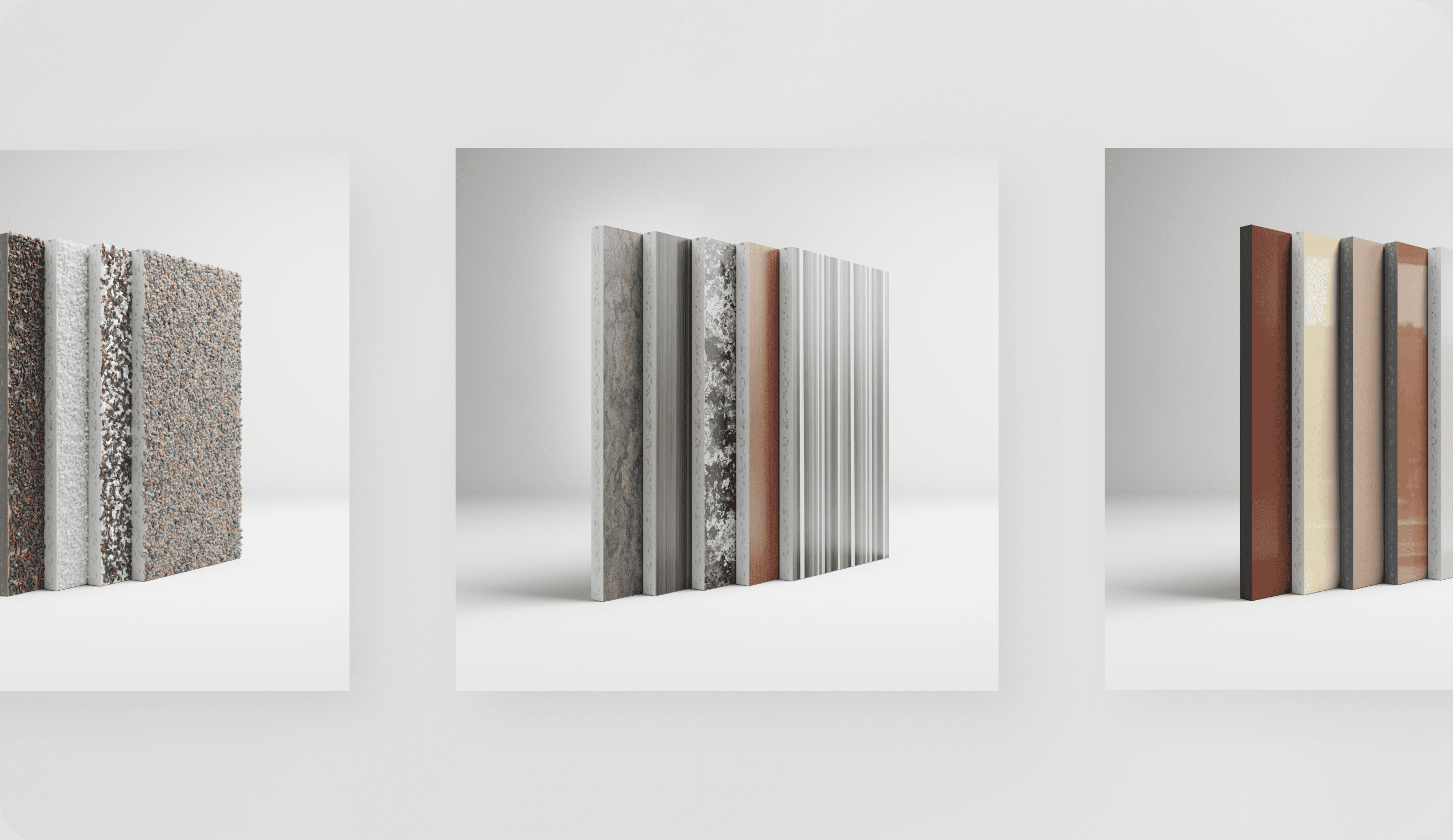
Steni has over 100+ different facade panel designs, each under three categories: Steni Color, Steni Vision and Steni Nature. Each category provides a unique architectural expression, offering flexibility, endless combinations and creative freedom. The visualization of these products needed to inspire and encourage that artistry. Steni values sustainability, design, durability and ease-of-use. The product images had to align with these ideals and resonate with digital audiences looking for inspiration. They are a key touchpoint between Steni and their customers, and needed to be palpable enough to communicate surface materials and their structure. Steni’s product imagery required enough variation to allow for a wider selection of brand visuals, as well as a consistent visual style to ensure recognition of their identity. Because of their vast range of products, a scalable and flexible system was needed to build a digital-first asset library.
Steni has over 100+ different facade panel designs, each under three categories: Steni Color, Steni Vision and Steni Nature. Each category provides a unique architectural expression, offering flexibility, endless combinations and creative freedom. The visualization of these products needed to inspire and encourage that artistry. Steni values sustainability, design, durability and ease-of-use. The product images had to align with these ideals and resonate with digital audiences looking for inspiration. They are a key touchpoint between Steni and their customers, and needed to be palpable enough to communicate surface materials and their structure. Steni’s product imagery required enough variation to allow for a wider selection of brand visuals, as well as a consistent visual style to ensure recognition of their identity. Because of their vast range of products, a scalable and flexible system was needed to build a digital-first asset library.
The process
The process
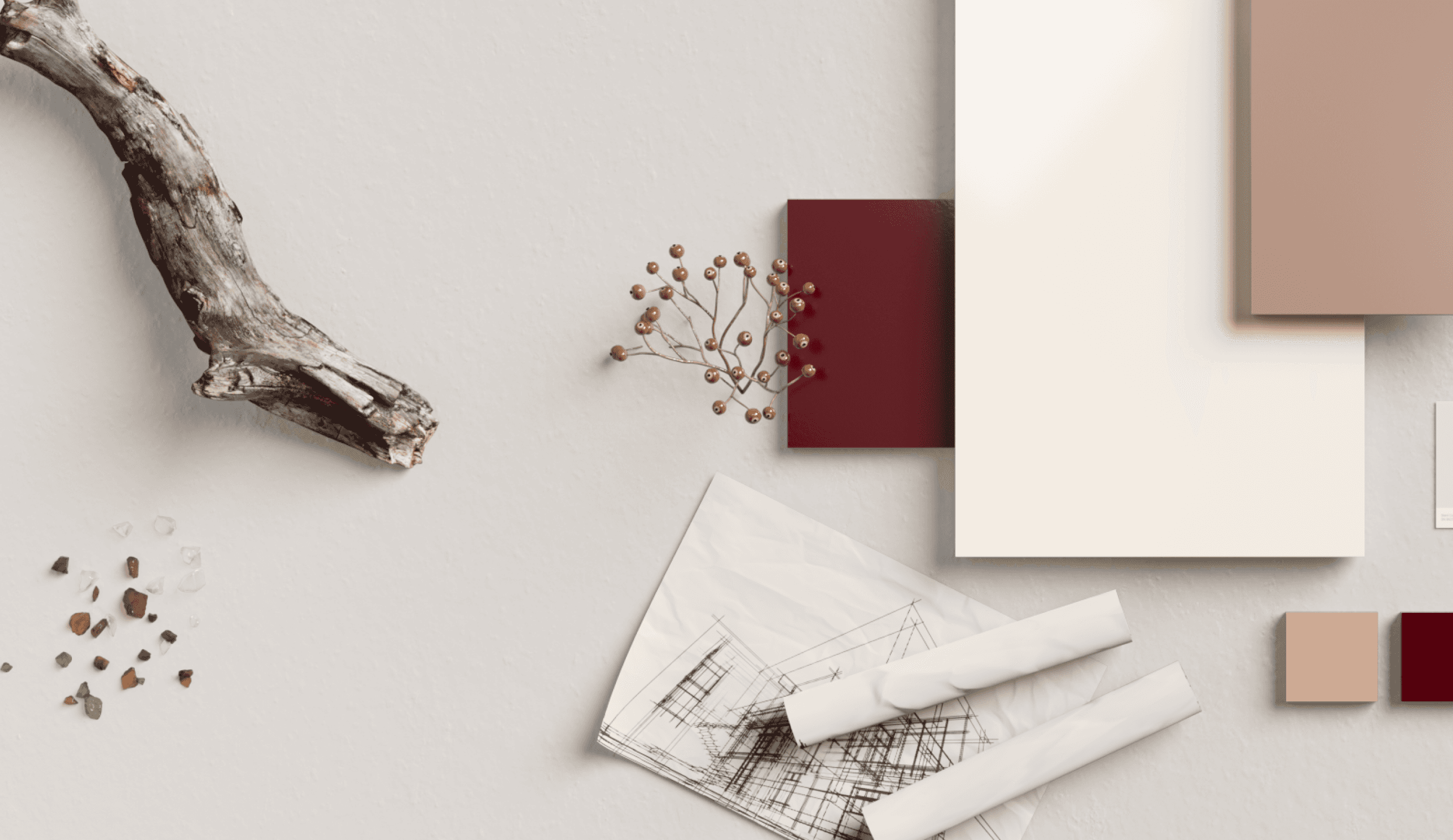
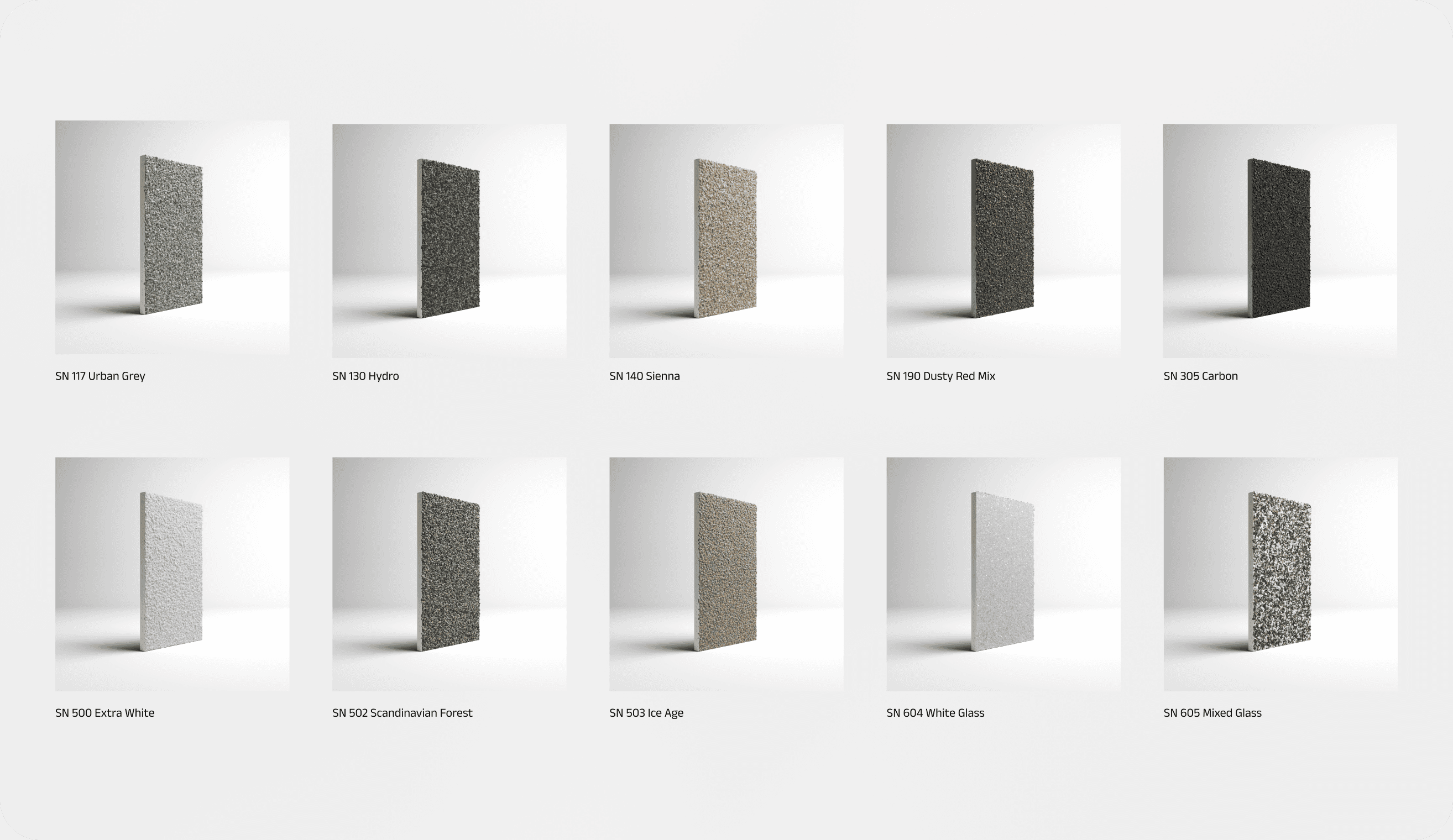
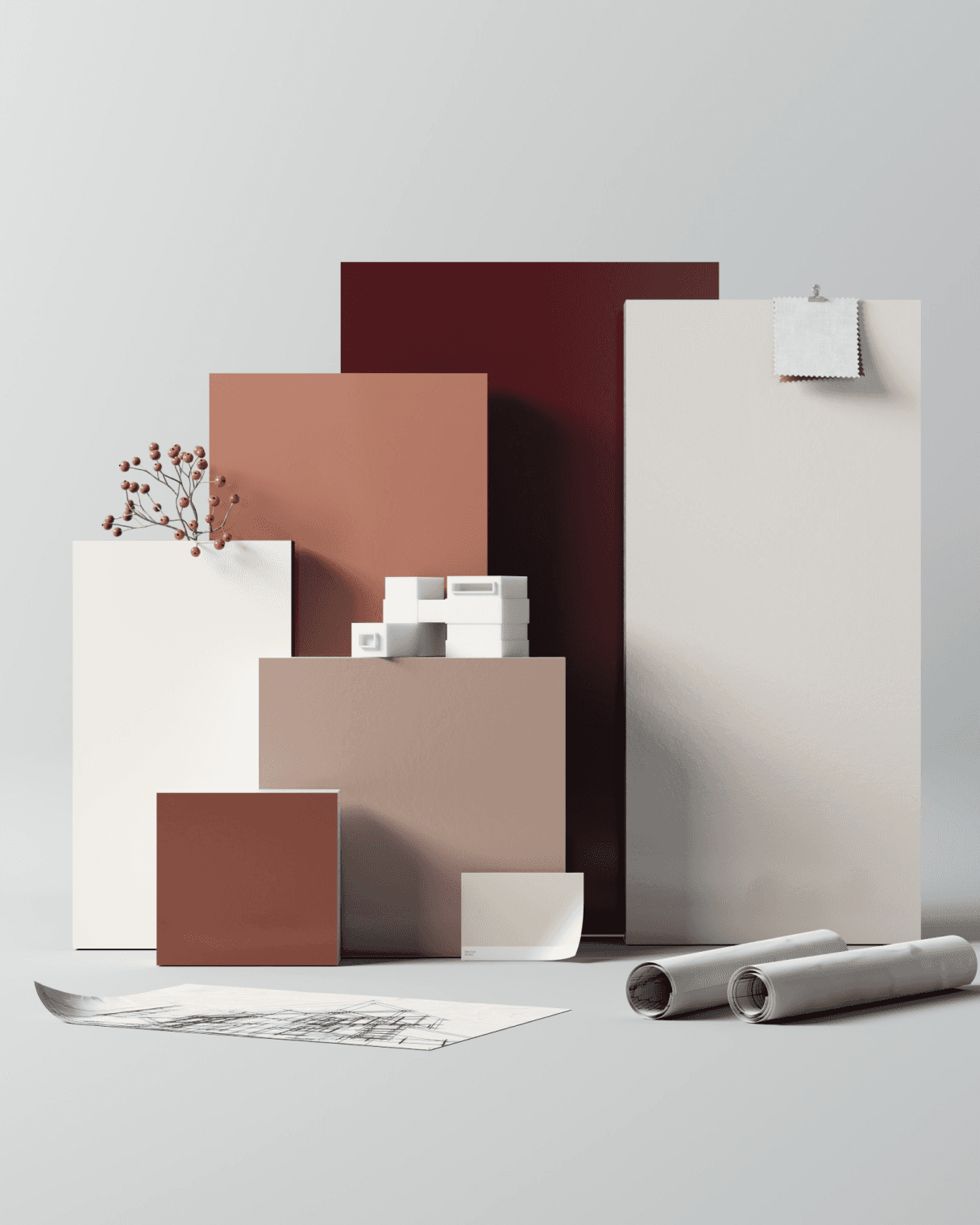
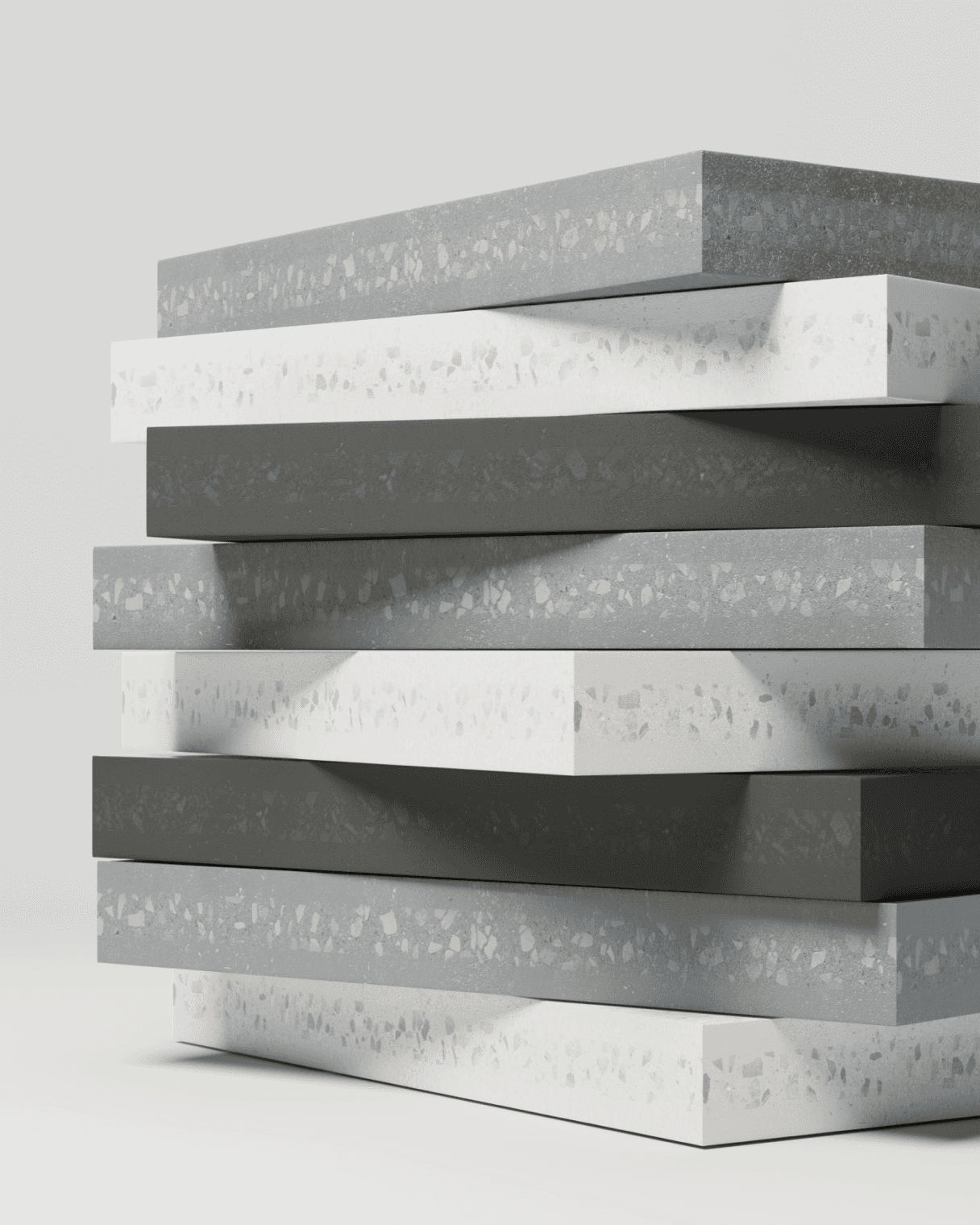
After defining the needs and scope of the visual library, it became clear that building the assets in 3D would ensure flexibility in the production and further use in the future. Assets could be reused to create a wide variation of additional hero and category images. Using product samples to study their physics qualities, each product was translated and recreated into tangible 3D assets. Highly-realistic lighting and texturing would ensure higher product comprehension for Steni’s customers. Category and hero images further appealed to the target audience by adding elements of architecture, design and raw materials. Color, glossiness and coarseness were combined together to inspire and showcase the product’s potential. A pipeline was quickly established to reuse and adapt as much as possible, ensuring minimal render times and a smooth production. Changes could be made quickly once the assets were structured into templates, creating a flexible design system for future adaptations.
After defining the needs and scope of the visual library, it became clear that building the assets in 3D would ensure flexibility in the production and further use in the future. Assets could be reused to create a wide variation of additional hero and category images. Using product samples to study their physics qualities, each product was translated and recreated into tangible 3D assets. Highly-realistic lighting and texturing would ensure higher product comprehension for Steni’s customers. Category and hero images further appealed to the target audience by adding elements of architecture, design and raw materials. Color, glossiness and coarseness were combined together to inspire and showcase the product’s potential. A pipeline was quickly established to reuse and adapt as much as possible, ensuring minimal render times and a smooth production. Changes could be made quickly once the assets were structured into templates, creating a flexible design system for future adaptations.